Go back to innovation in action
Innovation
A driving force behind innovation
From Robot Arms to Humanoid Robots
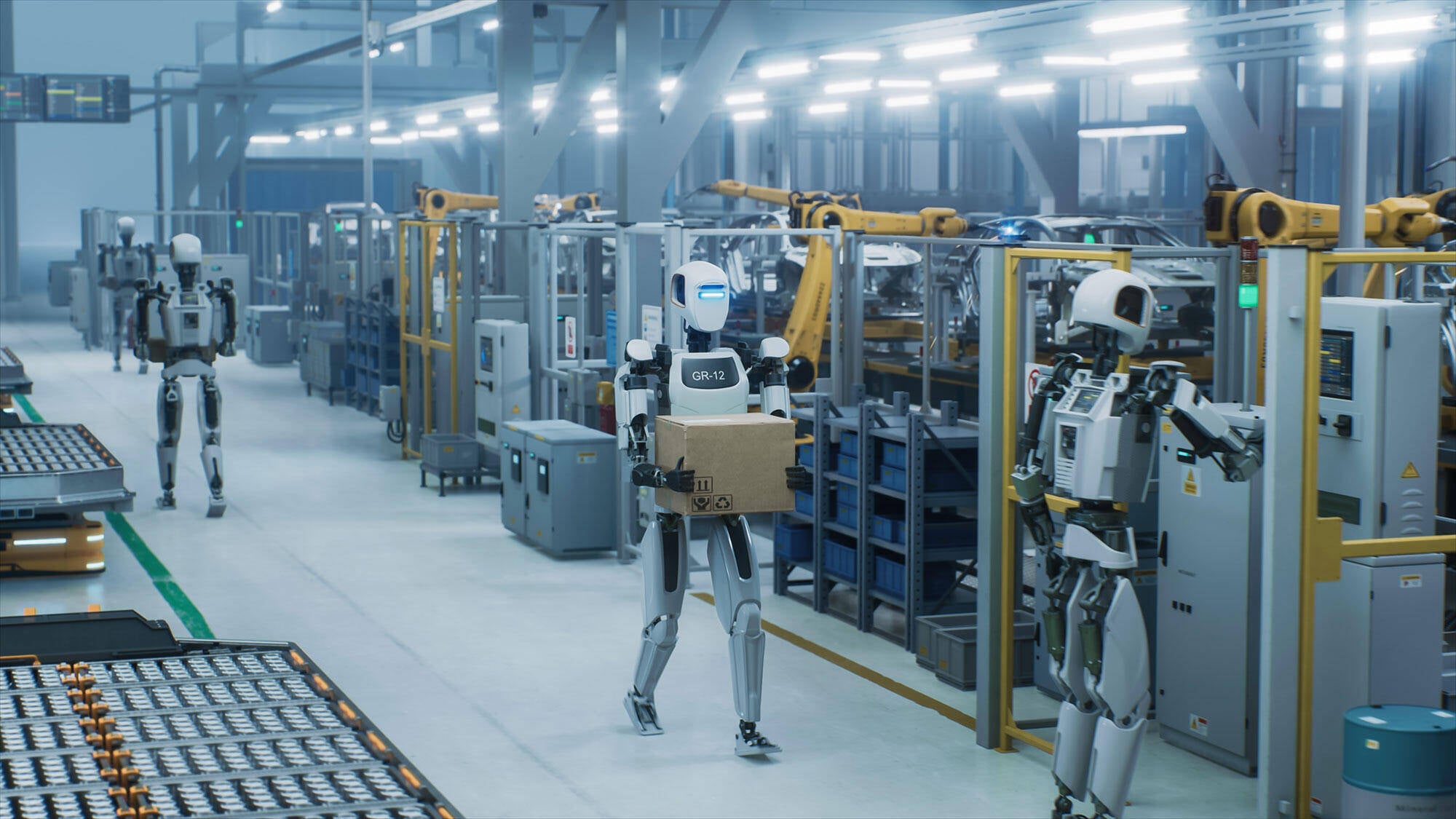
Robots are no longer a vision of the future; they are the driving force behind innovation in manufacturing, logistics, healthcare, and countless other sectors. The integration of data analytics and artificial intelligence is making robots increasingly autonomous, flexible, and safe. This evolution demands deep expertise in software development and process integration within complex high-tech environments.
ICT Group has been applying its expertise as an embedded software integrator to factory automation for many years. That same expertise is proving equally valuable in robotics applications. As a result, the High Tech division recently expanded its focus to the robotics market, a move underlined by its membership of NL Robotics, the Dutch robotics industry association. By doing so, ICT Group helps organizations translate technological progress into tangible business value. Koen van Wijk, Technology Lead within the High Tech division, shares his insights into the future of robotics and the crucial role of software integration.
Humanoid Robots
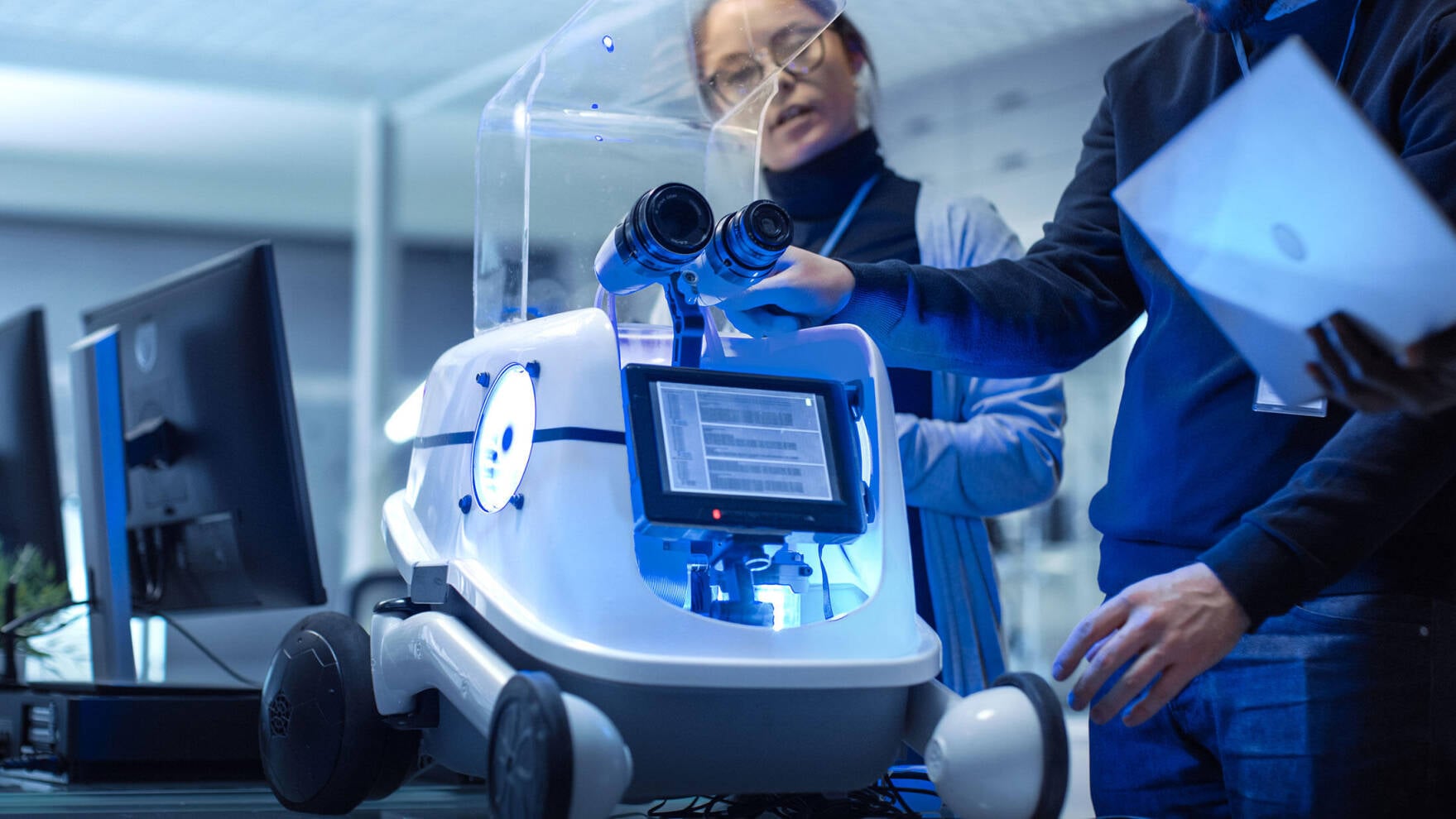
Van Wijk’s fascination with robotics goes back to his Electrical Engineering studies in Eindhoven, where he participated in robot competitions. His children inherited the same enthusiasm and began experimenting with LEGO robots several years ago. “They took part in the FIRST LEGO League, a competition where teams build and program LEGO robots to perform a variety of tasks,” Van Wijk explains. “When my children became interested in building humanoid robots a few years ago, I started diving deeper into the technology myself and visiting trade fairs to see what was already possible in practice.”
Koen van Wijk
Technology Lead High Tech - ICT Group

While robotic arms excel at repetitive work, humanoid robots are capable of handling a much broader range of tasks. Media demonstrations already show robots folding T-shirts, performing backflips and dancing. For many organizations, however, the challenge remains determining exactly how these capabilities can create business value.
Read the full story about the transition from Robot Arms to Humanoid Robots
Go back to innovation in action
A driving force behind innovation
Innovation
From Robot Arms to Humanoid Robots
Robots are no longer a vision of the future; they are the driving force behind innovation in manufacturing, logistics, healthcare, and countless other sectors. The integration of data analytics and artificial intelligence is making robots increasingly autonomous, flexible, and safe. This evolution demands deep expertise in software development and process integration within complex high-tech environments.
ICT Group has been applying its expertise as an embedded software integrator to factory automation for many years. That same expertise is proving equally valuable in robotics applications. As a result, the High Tech division recently expanded its focus to the robotics market, a move underlined by its membership of NL Robotics, the Dutch robotics industry association. By doing so, ICT Group helps organizations translate technological progress into tangible business value. Koen van Wijk, Technology Lead within the High Tech division, shares his insights into the future of robotics and the crucial role of software integration.
Koen van Wijk
Technology Lead High Tech - ICT Group

Humanoid Robots
Van Wijk’s fascination with robotics goes back to his Electrical Engineering studies in Eindhoven, where he participated in robot competitions. His children inherited the same enthusiasm and began experimenting with LEGO robots several years ago. “They took part in the FIRST LEGO League, a competition where teams build and program LEGO robots to perform a variety of tasks,” Van Wijk explains. “When my children became interested in building humanoid robots a few years ago, I started diving deeper into the technology myself and visiting trade fairs to see what was already possible in practice.”
Read the full story about the transition from Robot Arms to Humanoid Robots
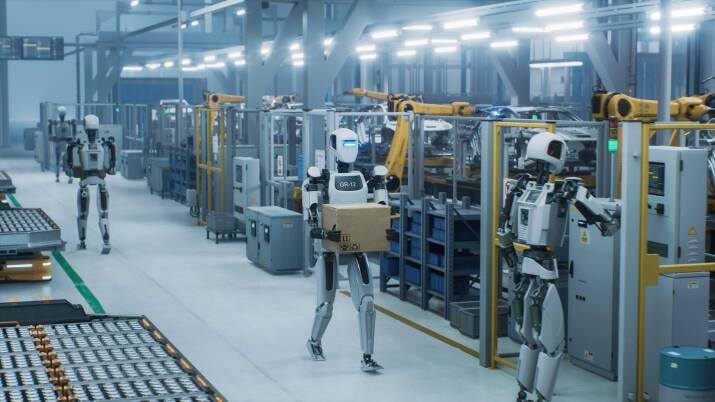
While robotic arms excel at repetitive work, humanoid robots are capable of handling a much broader range of tasks. Media demonstrations already show robots folding T-shirts, performing backflips and dancing. For many organizations, however, the challenge remains determining exactly how these capabilities can create business value.