Back to contents
Cases
Great Place to Work
Innovation
European Delivery
Environment & Social
Financial results
Corporate
Driving sustainable impact
Environment & Social

Environmental and social. More essential than ever.
The systems we all rely on every day are becoming more connected and increasingly critical for society. Keeping them running is a technical challenge and a shared responsibility. At ICT Group, we contribute to this responsibility by developing software solutions that help our clients operate more efficiently, make better use of resources and reduce their environmental impact. From optimising industrial processes to improving mobility and infrastructure, our work supports a more sustainable and resilient society.
This responsibility also extends to how we work as an organisation. We aim to create an environment in which people can thrive, collaborate and contribute their strengths. Initiatives such as the deployment of neurodivergent professionals in our projects show how diversity can add real value, both for our clients and for our teams. Not as a standalone initiative, but as a natural part of how we build better solutions together.
At the same time, we continue to take steps to reduce our own footprint and to work more sustainably across the value chain, now further strengthened by our ISO 14001 certification and a continuous focus on improvement.

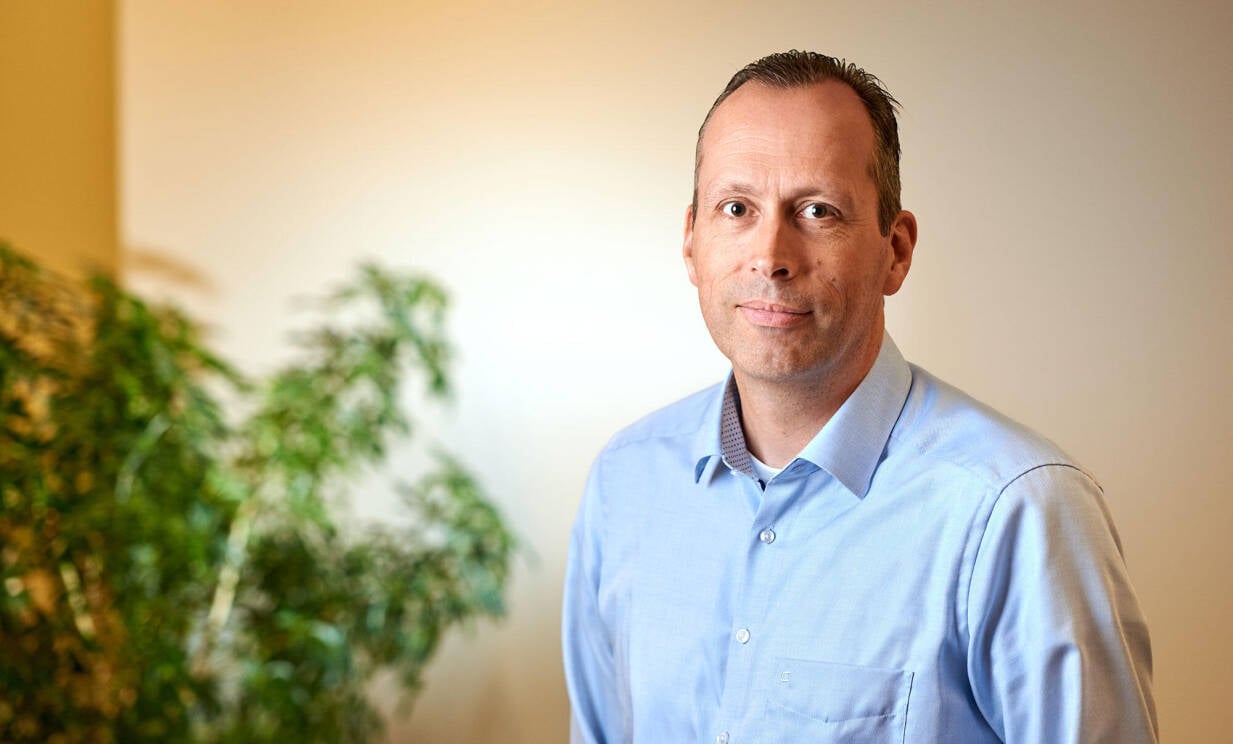
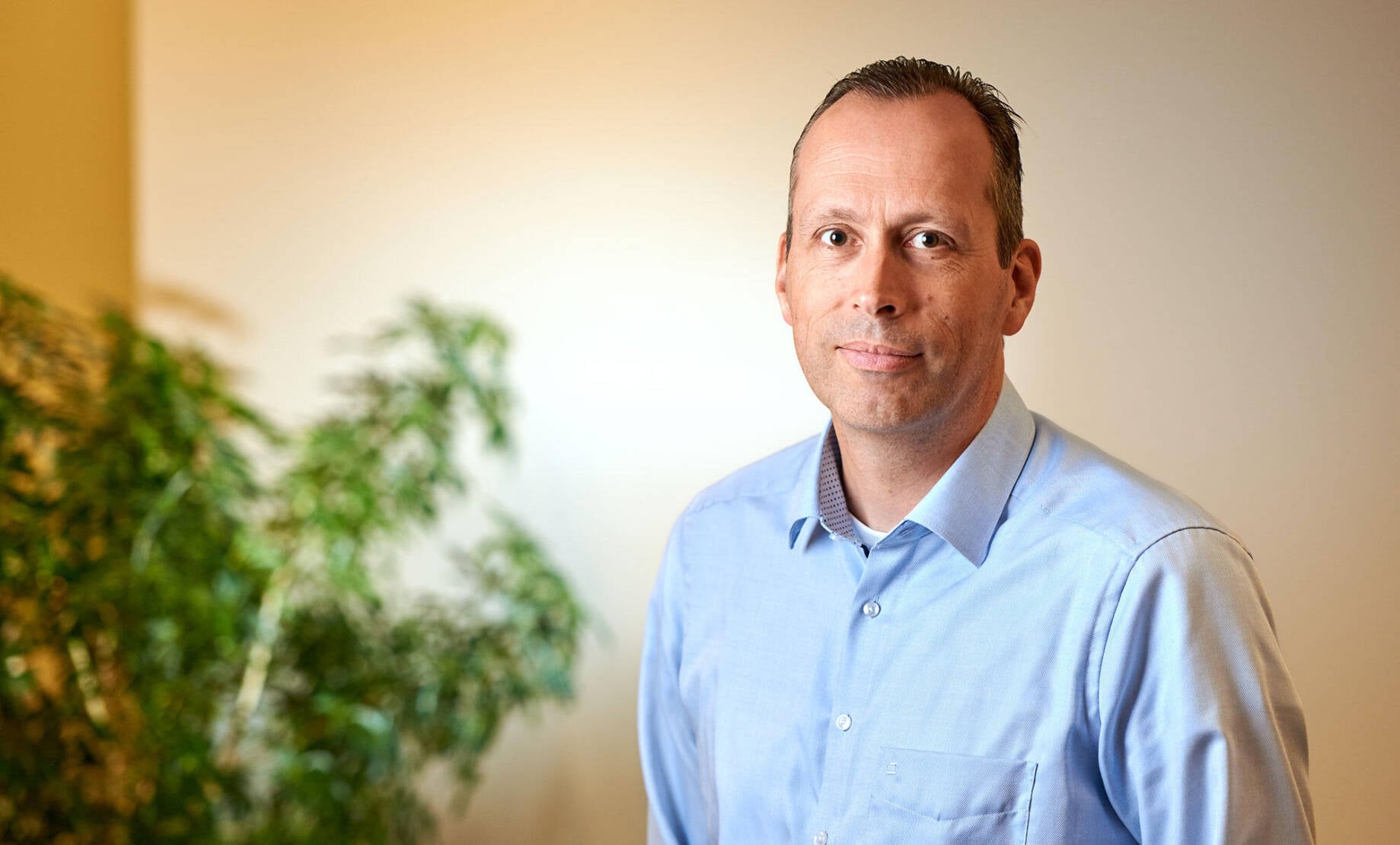
Peter Lamers, QHSE Manager ICT Group.
Read interview below
Driving sustainable impact through the value chain
ICT Group has made significant progress in strengthening its sustainability approach, underlining the broader societal importance of responsible business projects. Says Peter Lamers, QHSE manager at ICT Group. The achievement of ISO 14001 certification marks a key milestone, demonstrating that the company not only complies with environmental legislation but also actively works on continuous improvement and risk management. This internationally recognized standard enhances transparency and accountability, which are increasingly critical for stakeholders and society at large.
Influence across the value chain
Certifications such as ISO 14001 and Level 5 of the CO₂ Performance Ladder play an essential role beyond compliance. They provide a structured framework for reducing environmental impact, stimulate continuous improvement, and ensure that sustainability efforts are measurable and verifiable. Importantly, these certifications extend their influence across the value chain: ICT Group collaborates with customers and suppliers to reduce emissions and embeds sustainability requirements in its Supplier Code of Conduct. In this way, we contribute to broader societal goals such as climate responsibility and responsible sourcing.
Embedding sustainability in the organization
Although ICT Group’s direct ecological footprint is relatively limited, the certification processes encourage a much more conscious and systematic approach to environmental responsibility. This includes raising awareness among employees and integrating sustainability into daily operations and decision-making. As a result, sustainability becomes not just a compliance exercise, but a shared responsibility throughout the organization and its ecosystem.
As Peter Lamers, QHSE Manager, explains:
Transparent ESG reporting
The upcoming Corporate Sustainability Reporting Directive (CSRD) further reinforces this trajectory by introducing a harmonized European framework for ESG reporting. This enables ICT Group to provide transparent, comparable, and reliable information on its sustainability performance, strengthening trust among stakeholders and aligning the company with evolving societal expectations.
ICT Group’s commitment to certifications and structured reporting highlights its role in advancing sustainable business practices, contributing to environmental responsibility, and supporting the transition toward a more sustainable economy.
See what else we do in the field of sustainability and ESG on our website.
Certificates

Back to contents
Overview of all subjects
Back to table
of contents

Next page
local presence, shared expertise
European Delivery

Menu
Back to contents
Driving sustainable impact
Environment & Social
Peter Lamers, QHSE Manager ICT Group.
Read interview below
Environmental and social. More essential than ever.
The systems we all rely on every day are becoming more connected and increasingly critical for society. Keeping them running is a technical challenge and a shared responsibility. At ICT Group, we contribute to this responsibility by developing software solutions that help our clients operate more efficiently, make better use of resources and reduce their environmental impact. From optimising industrial processes to improving mobility and infrastructure, our work supports a more sustainable and resilient society.
This responsibility also extends to how we work as an organisation. We aim to create an environment in which people can thrive, collaborate and contribute their strengths. Initiatives such as the deployment of neurodivergent professionals in our projects show how diversity can add real value, both for our clients and for our teams. Not as a standalone initiative, but as a natural part of how we build better solutions together.
At the same time, we continue to take steps to reduce our own footprint and to work more sustainably across the value chain, now further strengthened by our ISO 14001 certification and a continuous focus on improvement.
Certificates
See what else we do in the field of sustainability and ESG on our website.
ICT Group’s commitment to certifications and structured reporting highlights its role in advancing sustainable business practices, contributing to environmental responsibility, and supporting the transition toward a more sustainable economy.
Transparent ESG reporting
The upcoming Corporate Sustainability Reporting Directive (CSRD) further reinforces this trajectory by introducing a harmonized European framework for ESG reporting. This enables ICT Group to provide transparent, comparable, and reliable information on its sustainability performance, strengthening trust among stakeholders and aligning the company with evolving societal expectations.
As Peter Lamers, QHSE Manager, explains:

Back to contents
Overview of all subjects
Back to table
of contents

Next page
local presence, shared expertise
European Delivery

Embedding sustainability in the organization
Although ICT Group’s direct ecological footprint is relatively limited, the certification processes encourage a much more conscious and systematic approach to environmental responsibility. This includes raising awareness among employees and integrating sustainability into daily operations and decision-making. As a result, sustainability becomes not just a compliance exercise, but a shared responsibility throughout the organization and its ecosystem.
Influence across the value chain
Certifications such as ISO 14001 and Level 5 of the CO₂ Performance Ladder play an essential role beyond compliance. They provide a structured framework for reducing environmental impact, stimulate continuous improvement, and ensure that sustainability efforts are measurable and verifiable. Importantly, these certifications extend their influence across the value chain: ICT Group collaborates with customers and suppliers to reduce emissions and embeds sustainability requirements in its Supplier Code of Conduct. In this way, we contribute to broader societal goals such as climate responsibility and responsible sourcing.
Driving sustainable impact through the value chain
ICT Group has made significant progress in strengthening its sustainability approach, underlining the broader societal importance of responsible business projects. Says Peter Lamers, QHSE manager at ICT Group. The achievement of ISO 14001 certification marks a key milestone, demonstrating that the company not only complies with environmental legislation but also actively works on continuous improvement and risk management. This internationally recognized standard enhances transparency and accountability, which are increasingly critical for stakeholders and society at large.